
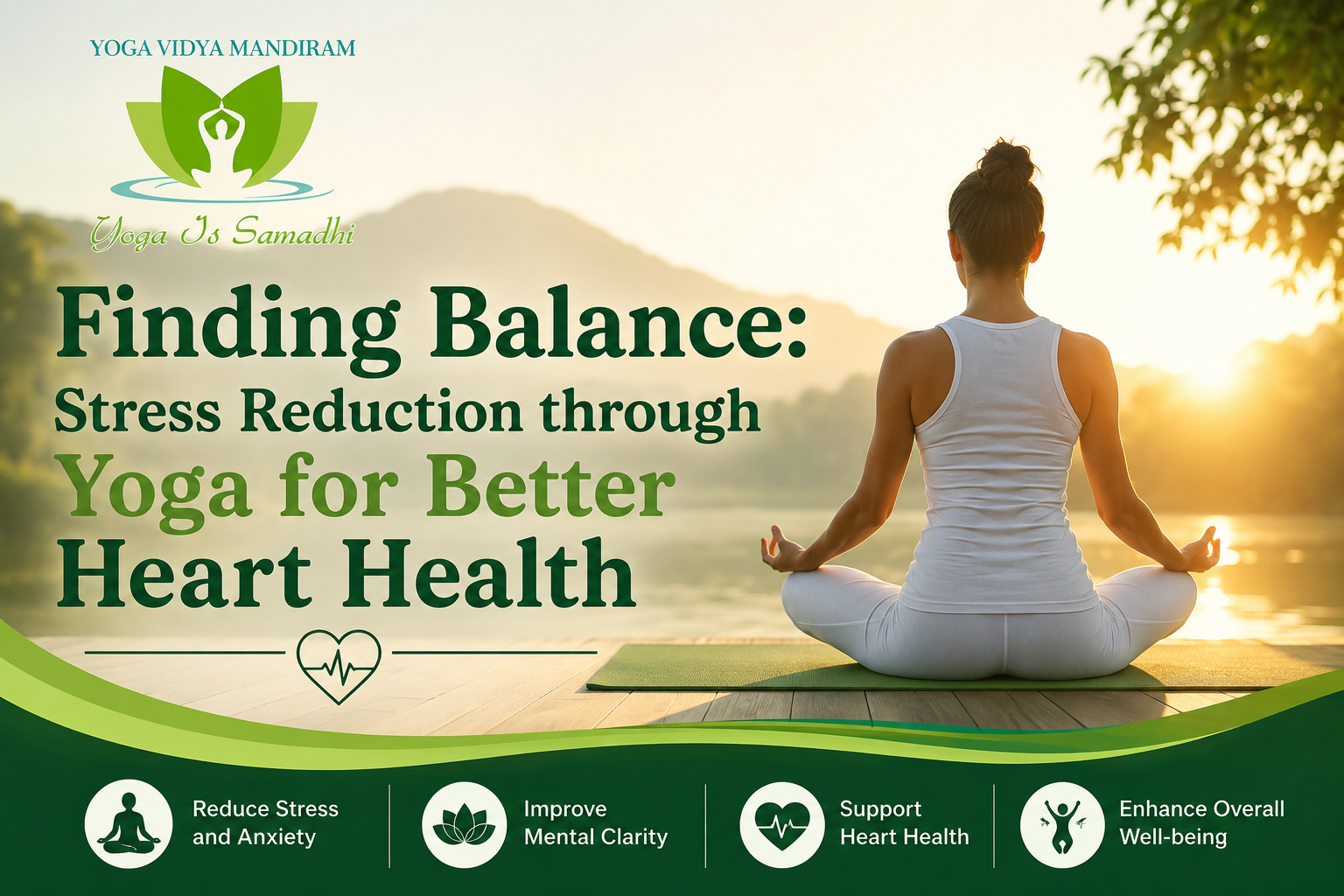
In our fast-paced world, where deadlines loom and responsibilities pile up like a never-ending to-do list, finding balance can often feel like an elusive dream. Yet, amidst the chaos lies a powerful antidote: yoga. Imagine stepping onto your mat and feeling the weight of stress melt away as you cultivate mindfulness and physical strength simultaneously. But did you know that this ancient practice does more than soothe your mind? It also nurtures your heart! In “Finding Balance: Stress Reduction through Yoga for Better Heart Health,” we’ll explore how integrating yoga into your daily routine not only helps alleviate stress but actively promotes cardiovascular wellness. Join us on this journey to discover how deep breathing, mindful movement, and serene moments can transform both your mental state and heart health—one pose at a time!
Introduction to the Connection Between Yoga and Heart Health
In today’s fast-paced world, stress seems to be an unwelcome companion for many of us. As we juggle responsibilities and face daily challenges, our hearts can bear the brunt of this pressure. But what if there was a way to reclaim tranquility while also nurturing heart health? Enter yoga—a practice that has gained popularity not just for its physical benefits but also for its remarkable ability to reduce stress.
Yoga is more than just a series of poses; it connects mind, body, and spirit in a harmonious flow. Research increasingly shows that regular yoga practice can lower blood pressure, improve circulation, and promote emotional well-being—key factors in maintaining heart health. If you’re looking for an effective approach to manage stress and support your cardiovascular system, exploring the connection between yoga and heart wellness could be your next step toward balance.
Let’s dive deeper into how embracing this ancient practice might transform your life—one breath at a time.
Must Read: Best Yoga Teacher Training in Rishikesh
Understanding Stress and its Impact on Heart Disease
Stress is a silent adversary, often overlooked in discussions about heart health. When faced with stress, our body releases hormones like cortisol and adrenaline. These chemicals prepare us for immediate action but can wreak havoc on our cardiovascular system when activated chronically.
Over time, prolonged stress may contribute to high blood pressure and unhealthy cholesterol levels. Both are significant risk factors for heart disease. A stressed mind may lead to poor lifestyle choices too—like opting for fast food or skipping workouts—which further exacerbates the problem.
Moreover, emotional stress can influence how we cope with other health conditions. Anxiety and depression are commonly linked to increased heart risks, creating a vicious cycle that’s hard to break without intervention.
Recognizing the impact of stress is crucial in managing overall heart health effectively. Understanding its connection empowers individuals to take proactive steps towards healthier living.
The Role of Yoga in Reducing Stress
Yoga serves as a powerful antidote to stress. Through intentional breathing and mindful movement, it creates a sanctuary for the mind and body.
The practice encourages deep relaxation, helping to lower cortisol levels—the hormone responsible for stress. Each pose invites you to focus inward, allowing distractions to fade away.
Moreover, yoga fosters greater awareness of your thoughts and feelings. This mindfulness can lead to healthier responses in stressful situations.
When practiced regularly, yoga not only enhances physical flexibility but also mental resilience. It teaches us how to navigate life’s challenges with grace.
In essence, every session on the mat becomes an opportunity for self-discovery and emotional release—a vital component in reducing daily stressors that can impact heart health significantly.
Types of Yoga Asanas for Better Heart Health
Certain yoga asanas can significantly benefit heart health by reducing stress and promoting circulation.
Mountain Pose (Tadasana) is a simple yet powerful posture that encourages stability and grounding, fostering a sense of calm. Practicing this pose helps improve posture and breathing, setting the stage for deeper relaxation.
Bridge Pose (Setu Bandhasana) opens up the chest and strengthens the heart muscle. This gentle backbend promotes blood flow while relieving tension in the spine.
Cobra Pose (Bhujangasana) energizes the body while also expanding lung capacity. It stimulates circulation to vital organs, including your heart.
Child’s Pose (Balasana) offers restorative benefits, allowing you to reconnect with your breath. This calming position reduces anxiety levels, making it easier to manage daily stresses.
Incorporating these asanas into your routine not only nurtures physical health but also enhances emotional well-being—essential components for a healthy heart.
Please Visit for more Information: 200 hour Yoga Teacher Training in Rishikesh
Incorporating Mindfulness Practices into your Yoga Routine
Incorporating mindfulness into your yoga routine can transform both your practice and daily life. Begin each session by setting an intention. This simple act can ground you, creating a focal point for your mind.
As you move through asanas, pay attention to your breath. Notice how it flows with each pose. This connection fosters awareness, enhancing the benefits of every stretch and hold.
Consider adding guided meditations before or after your physical practice. These moments of stillness allow thoughts to settle and promote mental clarity.
Use visualization techniques too. Imagine energy moving through your body as you transition between poses; this deepens the experience and cultivates inner peace.
Lastly, embrace silence during savasana. Let go of distractions and fully immerse yourself in the present moment, savoring each second of relaxation that follows effortful movement.
Tips for Beginners: How to Start a Yoga Practice for Heart Health
Starting a yoga practice for heart health can be both exciting and daunting. As a beginner, it’s essential to approach your journey with an open mind and patience.
Begin by choosing the right environment. Find a quiet space where you feel comfortable and free of distractions. This will help enhance your focus during practice.
Consider joining a local class or online sessions led by certified instructors. A good teacher can guide you through proper alignment and breathing techniques, ensuring safety as you progress.
Start slow with gentle styles like Hatha or restorative yoga. These forms are excellent for beginners, allowing room for relaxation while still engaging the body.
Don’t forget about incorporating breathwork into your routine. Simple pranayama exercises can significantly influence stress reduction and improve cardiovascular function.
Lastly, listen to your body. Honor its limits while gradually pushing boundaries as you grow in strength and flexibility over time.
Taking Your Yoga Practice Off the Mat: Applying Mindful Techniques in Daily Life
Yoga isn’t just about poses; it’s a lifestyle. Bringing mindfulness from your mat into daily life can transform ordinary moments.
Start with your breath. Whether you’re stuck in traffic or facing a challenging task, take deep breaths. This simple act grounds you and brings clarity.
Practice gratitude daily. Acknowledge the small joys—like a warm cup of tea or a smile from a stranger. This fosters positivity and reduces stress levels, benefiting heart health.
Engage fully in conversations. Listen actively instead of planning your next response. Being present helps build deeper connections while calming the mind.
Incorporate movement throughout the day. Stretch during breaks to release tension and energize yourself for what’s ahead. Small actions lead to significant changes over time.
Lastly, make space for stillness amidst chaos—whether that’s five minutes of meditation or simply enjoying nature’s beauty around you.
Conclusion: Finding Balance and Wellness Through the Power of Yoga
Balancing one’s life is not always easy, especially where the issue of stress and heart diseases come into play. The art of balancing can be achieved through yoga since the technique involves physical fitness, as well as other elements of mind-soothing practices.
There exists a close relationship between yoga and heart health. By practicing yoga, one can manage to lower their stress levels and also improve their cardiovascular functions, among many other aspects of improving one’s health. There exist several asanas that one may perform to achieve good heart health.
Taking time to do yoga is not just beneficial physically, but also mentally and emotionally. Several individuals have experienced great transformations due to the involvement in such practices. They have been able to increase their energy, stabilize their moods, and also deal with any pre-existing heart problems.
Bringing these techniques off the mat allows you to apply mindfulness throughout your day-to-day activities. Simple breathing exercises or moments of reflection can significantly affect how you handle daily stresses.
As more individuals recognize the benefits of combining yoga with proper lifestyle choices—including diet and regular check-ups—the journey towards better heart health becomes achievable. Embrace this holistic approach and witness its positive impact on both body and mind while inspiring others along the way.
With dedication to practice—and perhaps some guidance from quality yoga teacher training programs—you’ll find a balanced path toward wellness that resonates deeply within you.
Leave a Reply