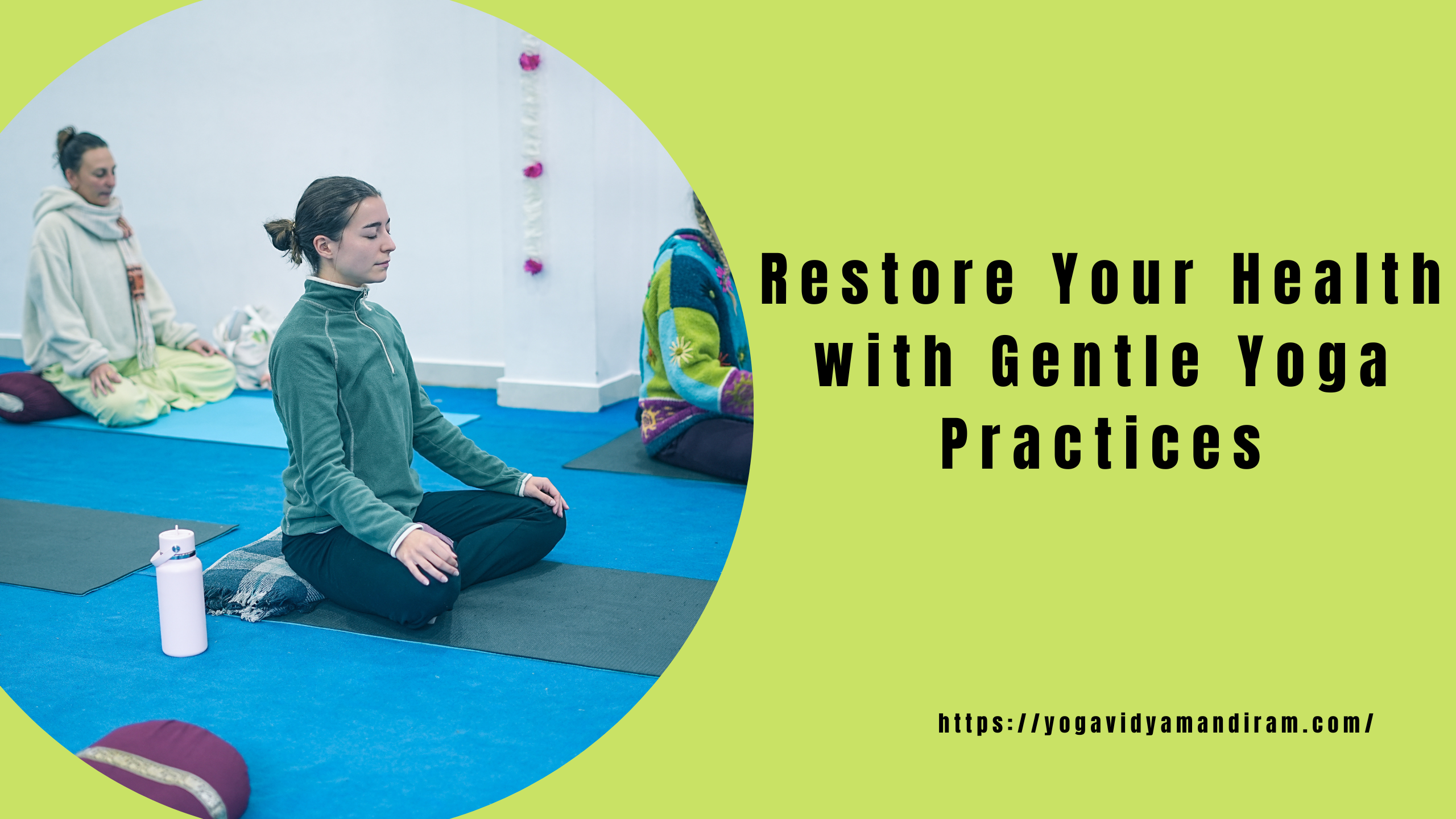
With the hectic life we have today where stress is more of the order of the day, there is no better time to have a place you can relax your mind and the body. It’s time to enter the world of gentle yoga, a friendly process that welcomes you to forget all the muddles of everyday life and immerse yourself in relaxing postures that help to recover balance and support healing.
It is possible to imagine that you have entered the world of gentle yoga, and you have forgotten about all the mishaps of everyday life and sink into calm poses that help to restore the balance and to heal. You can find relief, physical discomfort or you just need a rest and are looking to find tranquility in the middle of the sea of life needs, gentle yoga presents a supportive way of living towards holistic wellness. With us, you will find out how these mindful movements can be transformative and how they can be used to revitalize your health besides bringing you a sense of inner peace.
Introduction to Gentle Yoga and its Benefits for Health Restoration
The pursuit of improved health is a daunting task in our busy society. Lots of individuals are caught on a dietary rollercoaster, extensive exercise, and fast-fix remedies that say all, offer little in the way of a wholesome well-being. Are you in need of a more relaxed way to heal your body? Gently yoga workouts may be the solution that you are looking.
You can just imagine getting on your mat and forgetting all the rumor of everyday life. You are not just moving your body with every breath, you are also making your mind and soul grow. Gentle yoga calls you back to yourself- to create balance between inner harmony and physical energy. It is not only stretching, but also about the establishment of harmony inside.
In this blog, we are going to discuss how gentle yoga can rejuvenate your health with such mindful movements, breathing exercises, and meditation, which are all structured to its respective levels of skills and limitations. You can be healing a wound or you just need some peace in the middle of the demands of life, it is time to share this healing process.
Understanding the Connection Between Mind, Body, and Health
The relationship between the mind and body is extensive and complex. Our physical, emotional, and mental health are coupled together in a manner that we tend to ignore.
Under the existence of stress, it is physically felt, that is, by the tightening of the muscles, a headache emerges or even stomach problems become worse. On the other hand, a clear mind can be created by a healthy body.
Light yoga sessions provide room to this consciousness. Your movements and breathing cultivate mindfulness that builds the mental acuity and physical energy. The mind starts to calm down as the stresses are relieved when relaxing in soft poses.
Such harmony makes people be able to listen to the signals of their bodies. Connecting with this allows inner healing to take place, which is one of the most important steps to take when it comes to healing the body and mind.
With the recognition of the fact that our state of mind is closely intertwined with our physical state, we open the possibility to improved health results by practicing being mindful, such as participating in gentle yoga.
The Role of Breathing Techniques in Gentle Yoga Practices
The use of breathing methods is a pillar in gentle yoga practices. They are described as the linkage between the mind and body, which reduces the awareness and brings about tranquility.
Meditation can enhance relaxation in every pose and concentrate on your breath. Intentional breathing with slow and slow breaths fill the lungs with oxygen and purposeful breathing with exhalations releases tension. This singing song is a way of calming the mind.
Breath control is a practice that helps in mindfulness. It makes you available in every moment letting stress and anxiety go.
The use of techniques like diaphragmatic breathing or alternate nostril breathing is able to increase the level of energy and elevate emotional well-being. Such approaches do not only affirm physical well-being, but also foster intellectual wellness.
When trying out these techniques, watch how they affect your practice. Every inhalation is a chance to heal and know oneself during mild yoga practices.
Key Poses for Restoring Health and Relaxation
Several gentle yoga poses can significantly aid in restoring health and promoting relaxation. Child’s Pose is a wonderful starting point. It gently stretches the back while calming the mind.
Another effective pose is Cat-Cow, which helps to release tension from the spine. This flow between arching and rounding your back encourages mobility and improves circulation.
Restorative poses like Legs-Up-the-Wall are fantastic for reducing stress. Elevating your legs alleviates fatigue and enhances blood flow, leaving you rejuvenated.
Seated Forward Bend invites deep stretching through the hamstrings while fostering introspection. The simple act of folding forward quiets internal chatter.
Don’t overlook Savasana, or Corpse Pose; it’s essential for integrating benefits from your practice. Allow yourself to simply be as you absorb tranquility into every cell of your body. Each pose offers unique healing properties tailored to restore balance within you.
Incorporating Meditation into Your Gentle Yoga Routine
Integrating meditation into your gentle yoga routine can deepen the experience of relaxation and self-awareness. Begin with a few minutes of stillness before or after your practice. This quiet time allows you to set intentions and connect with your breath.
As you transition between poses, maintain a meditative focus on your body’s sensations. Notice how each movement feels, embracing both discomfort and ease.
Try incorporating guided meditations that align with your yoga themes—such as healing or mindfulness—to enhance the overall experience. Use soothing music or nature sounds as a backdrop to facilitate deeper concentration.
Even short moments spent in mindful reflection can transform your practice. Allow thoughts to flow without judgment, creating space for clarity and peace within yourself while flowing through gentle postures.
Tips for Creating a Safe and Comfortable Environment for Your Practice
Creating a safe and comfortable environment is essential for practicing gentle yoga. Start by choosing a quiet space where you can focus without distractions. A calm atmosphere enhances relaxation.
Consider the temperature of your room. It should be warm enough to keep muscles relaxed but not too hot that it becomes uncomfortable. Open a window or turn on a fan if needed.
Use soft lighting, perhaps from candles or dimmed lamps, to create an inviting ambiance. Natural light can also uplift your spirit and energy levels.
Having appropriate props like mats, blocks, and straps at hand will support your practice. Ensure they are clean and in good condition for safety.
Lastly, add personal touches that inspire you—like plants or soothing music—to make the space feel uniquely yours. This attention to detail fosters a more profound connection with your practice.
How to Modify Poses for Different Health Needs or Limitations
Modifying yoga poses is essential for ensuring a safe practice, especially when dealing with health needs or physical limitations. Every individual’s body is unique, and adjustments can make all the difference.
Start by using props like blocks, straps, and cushions to support your alignment. A block under your hand in Triangle Pose can help maintain balance without straining.
Listen to your body; if a pose feels uncomfortable, adapt it. For instance, instead of Downward Dog, try Child’s Pose for gentler stretching while still reaping benefits.
Focus on seated variations that reduce strain on joints. Seated Forward Bend allows you to stretch while being mindful of back discomfort.
Consider practicing near a wall for stability during standing poses. This adds security and confidence as you explore each movement at your own pace.
Always prioritize comfort over depth in any pose; this ensures a nurturing experience tailored just for you.
The Importance of Consistency in Your Gentle Yoga Journey
Consistency is key when it comes to reaping the benefits of gentle yoga. Establishing a regular practice helps your body adapt and respond to the movements over time.
Engaging in yoga consistently encourages muscle memory. As you flow through poses, you’ll notice improved flexibility and strength. Your mind also becomes attuned to the calming rhythms of each session.
Setting aside dedicated time for gentle yoga fosters discipline and mindfulness. It transforms your practice from an occasional activity into a vital part of your self-care routine.
Even short daily sessions can lead to significant progress. Embrace those moments on the mat as opportunities for growth, both physically and mentally.
Remember, it’s not about perfection but rather showing up regularly with intention. Let each practice be a step forward on your journey toward restored health through gentle movement.
Conclusion: Embracing the Healing Power of Gentle Yoga
Gentle yoga offers a remarkable path to restoring your health and well-being. By nurturing the connection between your mind and body, you create a foundation for holistic healing. The calming breaths integrated into gentle practices enhance relaxation and promote mental clarity.
Incorporating poses that restore vitality can lead to significant improvements in both physical and emotional health. Adding meditation deepens this practice, allowing for introspection and peace. A safe environment fosters comfort, enabling you to focus entirely on your journey of self-discovery.
Modifications ensure that everyone can benefit from these practices, regardless of their individual needs or limitations. With consistency as your ally, the benefits will compound over time.
As you explore resources related to gentle yoga, remember that each small step contributes greatly to overall wellness. Embracing gentle yoga opens doors not only for recovery but also for growth and transformation in every aspect of life. Allow yourself the grace to heal gently while cultivating resilience through mindful movement and breathwork.
Leave a Reply