
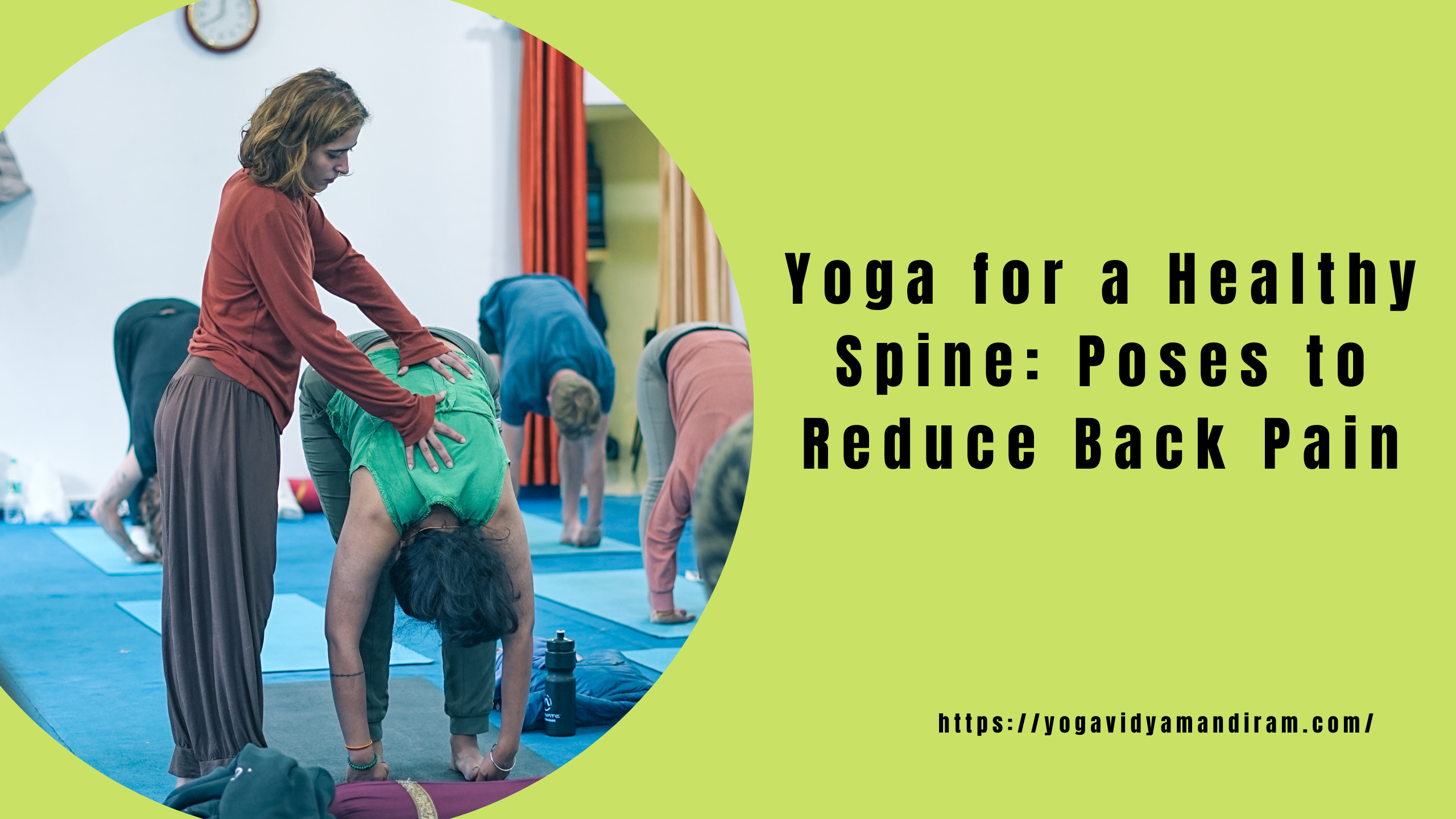
Are you sick of waking up with sore backaches that last all day long? Then you are not unique, and millions of other people feel their spines having discomfort because of the sedentary lifestyle, improper posture and stress. However, how would you feel about the possibility of relief being as easy as unrolling your yoga mat? In the present post, we shall discuss how yoga does not only make your muscles that are in support of your spine tight and flexible, but it also helps you relax and meditate. This should be a trip that you take with us to learn transformational poses that are specially aimed at addressing back pain, enhancing flexibility, and restoring balance. No more pain and no more hell–say goodbye to it and welcome the healthier spine into our life–we are going to enter the realm of yoga!
Introduction to the importance of spinal health and how yoga can help
Good life depends on the well being of the spine. Spinal column enables us to curve to tying our shoes and curve to standing up. Even simple tasks may turn out to be a challenge when it is not in line or when it is not in good terms. One yoga, which does not only make the body stronger but also brings back balance and flexibility to our spine.
Back pain has become a very common phenomenon in the modern world where everything moves so fast. Whether it is the result of extended hours in a desk, improper posture, or even tension derived by stress, many have been in need of a help. The good news? Yoga provides a proper means of reducing pain and spinal well-being as well as mindfulness and relaxation.
Consider the way you will find some comfort on your mat as you move through poses created with the special care of those with a sore back. How do you think the addition of yoga to your everyday life can change your life by alleviating back pain and improving the health of your spine, in general?
Also Visit: 200 Hour Yoga Teacher Training in Rishikesh
Common causes of back pain and how yoga can address them
Back pains may be as a result of a number of factors. The most common cause is poor posture particularly when one is sitting for a long time. This is a kind of misalignment, which leads to strains on the spine and the muscles around it.
Poor core strength is also very important. Poor abdominal and posterior muscles are not able to support the spine, which causes pain in the long run.
Acute pain may also be caused by injuries in sports or daily events. Such injuries usually cause strain in certain sections, which has an impact on the general mobility.
The yoga sessions address these problems by using specific exercises or poses that enhance flexibility and strength. It promotes the body positioning in addition to distending taut muscles around the spine.
Yoga will always contribute to core stability and will enhance posture. It also brings the awareness of movement patterns that lead to the reduction of back pain.
Benefits of incorporating yoga into your routine for a healthy spine
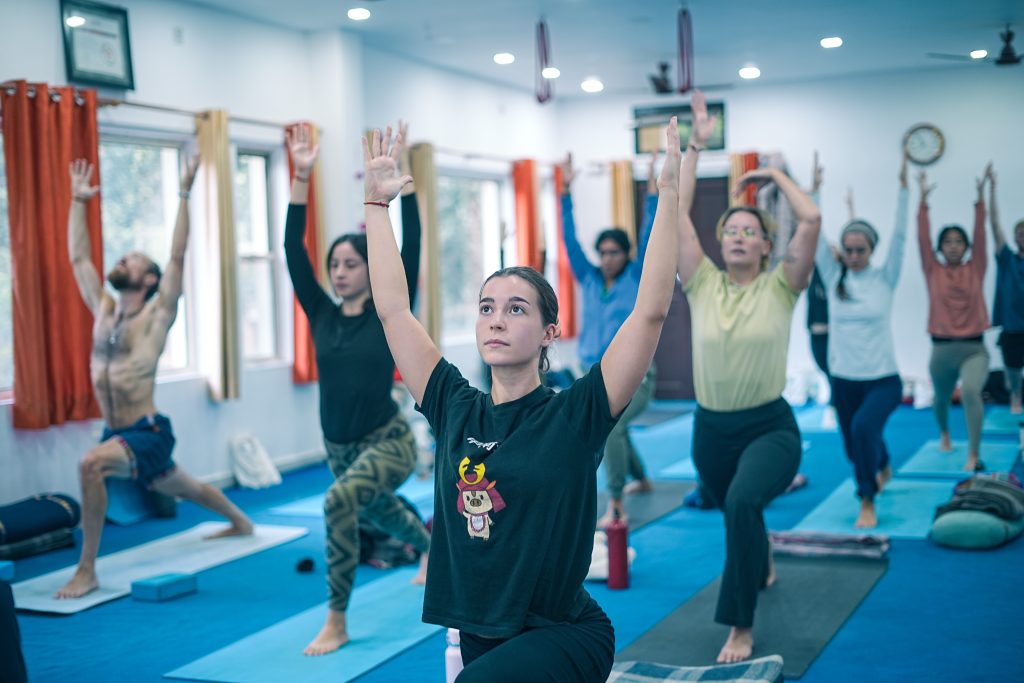
Yoga can perform miracles to the spinal health when incorporated in your routine. Flexibility is also increased with practice, and the spine is able to move freely with the practice and thus the stiffness is eased.
Yoga improves core muscles which are necessary to support the back. Having a good core will enable one to have good posture that is very vital in avoiding pain and discomfort.
Yoga methods of breathing help in calming down the body and relieving stress. Stress usually is a factor that leads to tension in the back thus being more likely to cause aches.
Yoga also promotes the body awareness. This is the aspect of mindfulness that will make you realize the effects of daily activities on the health of your spine.
Light stretching helps to relieve stiffness in the spine and enhance blood circulation. Improved blood circulation implies faster healing of any prevailing pain or injury.
Restorative posing provides profound relaxation, which brings the feeling of calm which has a direct positive effect on the general well-being and spinal integrity.
Key poses for reducing back pain
Childs Pose This is a moderate pose that relates to alleviating tension in the lower spine. A gentle belly-down stretch achieves a calming down of the spine by kneeling and bending forward your arms.
Cat-Cow Pose is a miracle to the spine. This active movement achieves mobility and alleviates stiffness as you switch between rounding and arching your back.
Downward-Facing Dog helps in stretching the whole back body and strengthens shoulders. It promotes a long spine and eliminates the aches of sitting.
Sphinx Pose is an excellent move that strengthens the lower back and at the same time helps one become more conscious of alignment. The light lift provides some room in your bones of the spine to offset compression.
Lastly, Bridge Pose does not only build glutes, the spine is also actively used in this Pose to enhance posture. This position gives you length on your back relieving the pain.
How to practice proper alignment and modifications for different abilities
The correct alignment is essential in order to get the best use of yoga poses without getting injured. Begin by placing your feet squarely on the mat with your hips being at a distance of hip-width. This is stability which gives a good foundation to any movements.
Pay attention to your body as you poses in every position. Whenever one is not at ease or whenever it causes pain, it is necessary to adjust that position. Prop yourself with blocks or straps so that you are not straining to maintain good form.
Chair yoga is the best option for those who have different abilities. Most of the conventional poses can also be used in a seated form and even facilitate the health of the spine.
Participate in self-awareness during your session. Mirrors will assist you in checking the alignment but you should also rely on your own body’s sense to each pose – this instinctive practice will lead you to the path of safe practice in your own way.
Tips for creating a personalized yoga practice for spinal health
The first step of developing a personalized yoga routine with respect to spinal health is to know the individual requirements of your body. Start by analyzing any tension or pain that may be in your back.
Have a set of objectives, be it to become more flexible, gain strength, or to alleviate pain. Make your routine specific to these goals in order to stay on track and motivated.
It is worth considering a range of poses that will be targeting the various parts of the spine. Balancing with strengthening such as Plank and Bridge will give strength with gentle stretches such as Cat-Cow.
It is very important to listen to your body. When a pose is uncomfortable to you then there is no need to worry but change it or can skip. Aid such as blocks or straps can be used.
Regularity is important; it should be a short time a few times a week instead of a few lengthy practices. Start with a low intensity and progressively intensify as you get more and more comfortable with the level you are at but still be aware of the impact that each movement has on your back health.
Also Read: Best Yoga Asanas for Boosting Concentration and Productivity
Other forms of exercise and lifestyle changes that complement a yoga practice
You can add other exercises to supplement your yoga workout and improve the health of your spine. Swimming, bike riding or walking are activities that increase the cardiovascular fitness without straining the back.
Strength training is not in vain as well. Pay attention to exercises that help to support your spine (such as planks, bridges). A good core will stabilize you when you are doing something in yoga and your balance and alignment will be improved.
The changes in lifestyle are also important. Assess your workspace ergonomics; a adjustable chair or standing desk may help to ease your strain.
Observes the posture during the day. Even basic instructions to sit straight or have the breaks after a lot of sitting will help relieve the tension in the back.
Lastly, it is possible to include mindfulness outside of the yoga classes. Meditation aids in the development of the sense of feelings in the body and decreases stress- both of which are very helpful in keeping the spine healthy as one grows older.
Conclusion: The long-term effects of consistent yoga practice on spinal health
Regular yoga will be transformed into spinal health. With time people tend to have greater flexibility, better posture and become stronger in muscles that hold the spine. Constant yoga exercise also helps in correct positioning of the vertebrae which minimizes tension on the surrounding tissues.
By doing these poses regularly that are aimed at a healthy spine, one might notice that the bouts of back pains will reduce considerably. This constant practice not only helps in relieving discomfort, but it also helps to become more aware of body mechanics.
Yoga is mindful, and relaxation and stress relieves are the key elements in the process of chronic pain management. With tension reduced and movement enhanced, practitioners will have more freedom to move without constraint and fear.
These practices incorporated in our everyday life create a sense of resilience against any kind of future discomfort coupled with cultivating a holistic sense of wellness. As commitment to this process is realized by means of yoga to a healthy spine, far-reaching advantages can occur- resulting in a general enhancement of the quality of life full of vitality and comfort.
Leave a Reply