Stress can be a companion of our lives in our busy world and can be an unwelcome guest. With the pressure of a deadline looming, the congestion of a commute, or the ever-present demands of life in the modern era, finding peace can sometimes feel out of the question. If only I could tell you, though, that relief is just a breath away! We’ll discuss the top breathing exercises to release stress in seconds in this blog post, which are easy and effective to anyone. Learn to conquer your breath and experience a change in your mind and body in short time, all while eliminating anxiety and embracing tranquility. Now, ready to relax? Let’s dive in!
How stress affects our health
The impact of stress on our well-being Stress is a part of living and causes physical and emotional effects. Our body enters a “fight or flight” state and releases hormones like adrenaline and cortisol during stress. This is needed for survival in a threatening situation, but, when persistent, it can have a negative impact on our health and well-being.
1. Physical Effects
Such prolonged stress can take a toll on the body. The constant release of stress hormones can cause increased blood pressure, heart rate, and breathing rate, which can put a strain on the cardiovascular system. It may also make us more susceptible to diseases by weakening the immune system.
Chronic stress has also been associated with digestive problems like irritable bowel syndrome (IBS) and stomach ulcers. It can also make you feel tense, lead to muscle tension and chronic pain.
2. Mental Health Effects
Mental health is inextricably linked with our general health and dysfunctioning caused by chronic stress will have a negative impact on it. Stress has been associated with anxiety disorders, depression and other mental health disorders.
It becomes hard to relax and unwind when we are always stressed out, irritability and restlessness may make us feel agitated.
Introduction to Breathing Techniques for Stress Relief
Powerful techniques for stress management are breathing techniques. They’re easy, convenient and can be done anywhere.
If you’re feeling overwhelmed, just take a few moments to pay attention to your breath and you’ll find that you’re instantly clear. These methods aid in redirecting the mind’s focus away from concerns and fears and towards a quiet beat.
There are unique benefits to each method. There are some that promote relaxation and others that promote mindfulness or energy.
Breathing exercises can be simple to incorporate into your day and help build a sense of resilience to stressors. It can be used by anyone, from professionals with demanding work to students preparing for exams.
You will discover different strategies that you can implement as you investigate, and you will discover the ones that are most suitable for you. Practicing this as a way to learn how to breathe helps with relief and can also help to bring emotional balance and health in the long-term.
Also Read: Breathing Your Way to Better Health: The Incredible Benefits of Pranayama
The Science Behind Breathing and Stress Relief
Our breathing is a critical tool that helps control our stress response. Our body responds to stress by entering the fight or flight response. This causes quick breathing and shallow breathing.
Deep, slow breathing on the other hand, elicits the parasympathetic nervous system. This is the part of your nervous system that promotes relaxation and calmness. It is known that there is a correlation between intentional breathing and decreased cortisol (stress hormone) levels.
Some studies suggest that the techniques enhance oxygen supply to the brain. Better oxygenation is associated with greater mental clarity and emotional stability. Simply breathing into this awareness can change your mindset in one stroke.
In addition, there have been reports of anxiety symptoms decreasing with mindful breathing. When you listen to your breath, you open the door to mindfulness in the midst of a very noisy world. Breathing isn’t only a physiological function, but a portal to emotional health.
Deep Breathing Technique: Step-by-Step Guide
Deep breathing is a very effective technique to help relax your mind and body. First try to find a comfortable position, sitting or lying down. Close your eyes to reduce distractions.
Breathe in slowly and deeply through nose, expanding belly fully. See how it fills your lungs and then hold it for a few breaths.
Now, slowly exhale through your mouth, releasing the tension. Take a focus on the feeling of the breath as it goes out. Do this several times.
While breathing out deeply, try to imagine stress melting away as you breathe out. Allow yourself to be present in this moment, appreciating the tranquility you create within.
Do this anytime stress seems overwhelming, it is highly effective in grounding and balancing throughout the day.
Box Breathing Technique: Step-by-Step Guide
Box breathing is a powerful technique designed to elevate your mental clarity and reduce stress. It’s simple yet effective, making it perfect for anyone seeking calm in the chaos of daily life.
Begin by finding a comfortable seated position. Close your eyes gently and take a moment to center yourself.
Now, inhale deeply through your nose for a count of four. Feel your lungs expand fully with air.
Hold that breath for another count of four. This pause allows you to gather focus and enhance relaxation.
Next, exhale slowly through your mouth for four counts. Visualize letting go of tension with each breath out.
Finally, hold again for four counts before repeating the cycle. Aim for several rounds or until you feel serenity wash over you.
This structured approach not only calms the mind but also grounds the spirit, making it an essential tool in managing stress effectively.
Progressive Muscle Relaxation Technique: Step-by-Step Guide
Progressive Muscle Relaxation (PMR) is a powerful technique that helps you identify and release tension in your body. It involves tensing and then relaxing different muscle groups, promoting a deep sense of calm.
Start by finding a quiet space where you can sit or lie down comfortably. Close your eyes to minimize distractions.
Begin with your feet. Tense the muscles tightly for about five seconds, then slowly release them while focusing on the sensation of relaxation. Move up to your calves next, repeating this process.
Continue through each major muscle group: thighs, abdomen, arms, shoulders, and face. Notice how each area feels as you tense and relax it.
Take deep breaths throughout the practice. This enhances the relaxation response even further.
As you progress through PMR, you’ll likely feel a noticeable difference in stress levels and overall well-being.
Alternate Nostril Breathing Technique: Step-by-Step Guide
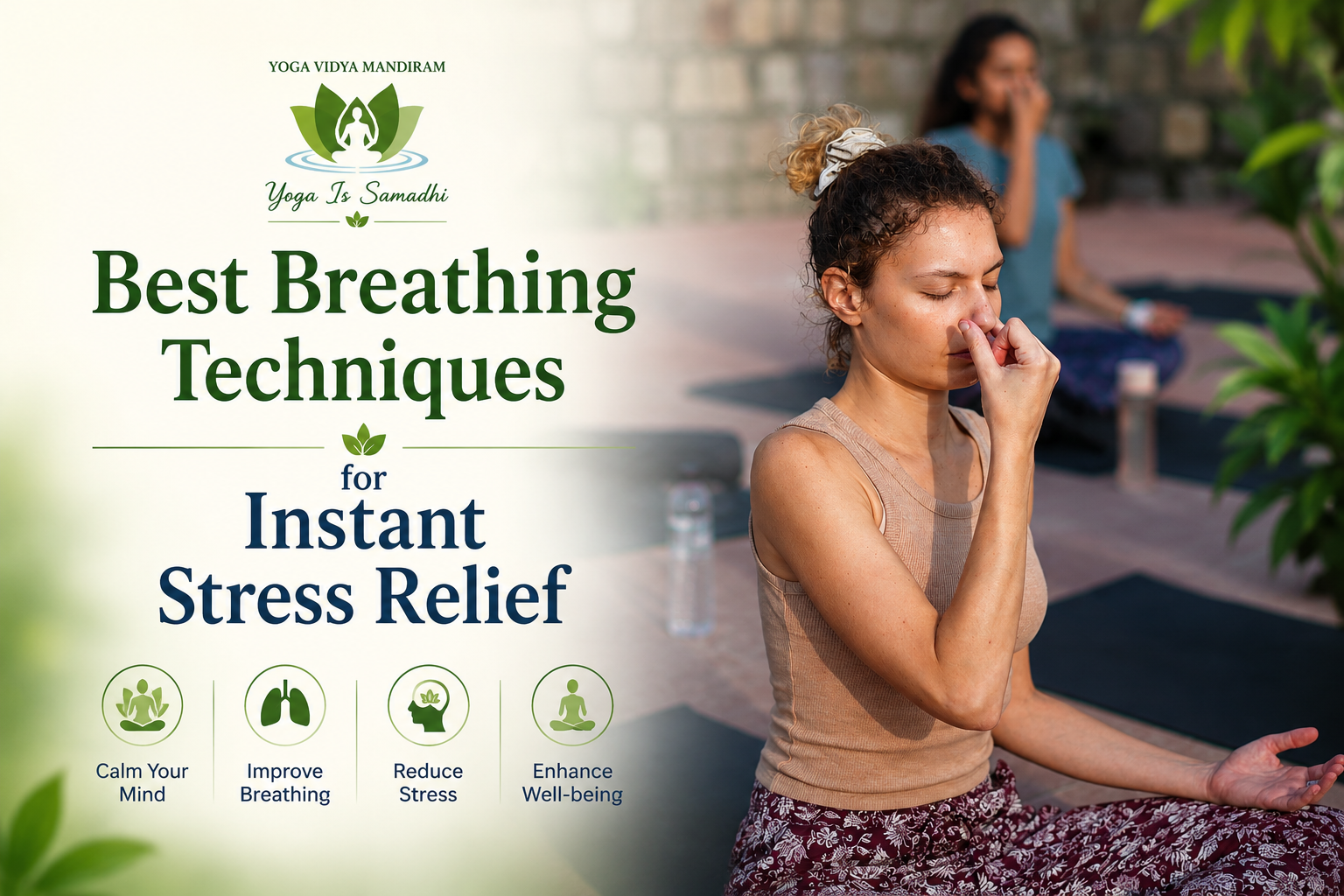
Alternate Nostril Breathing technique is a powerful technique, which helps to balance and calm the mind. First, sit in a comfortable chair or seat. Keep back straight and shoulders relaxed.
Make the V shape with your right hand, placing the index finger and middle finger between your eyebrows. This will free up your thumb to close one nostril. Start off by closing off your right nostril with your thumb.
Take a deep breath in left nostril, filling the lungs completely. At the end of the inhale close left nostril with ring finger and exhale right nostril.
Slowly breathe out from the right side. Exhale completely and then inhale through the opposite right nostril before switching back and forth. Repeat this process for 5-10 minutes, allowing each inhale and exhale to bring you further into relaxation and clarity, bringing together body and mind.
Incorporating Mindfulness with Breathing Techniques
When you practise mindful breathing, you can enhance the gains of your breath! Mindfulness is about focusing on the moment. This is a super contrast to your breathwork!
Notice inhale and exhale as they happen, without judgement. Breathe in and out with the feeling of air in your lungs and out of your lungs. A full participation in this process increases relaxation.
Consider visualizing a peaceful scene as you breathe deeply. Imagine a tranquil lake or a peaceful forest clearing. Let those relaxing images wash over you, taking you away from stressors.
But the good news is, it doesn’t take a lot of time to infuse mindfulness into your schedule. As little as a few minutes a day can make a huge difference on mental clarity and emotional balance.
When stress occurs, keep in mind that these techniques synergize in fighting anxiety. Mindful breathing is a calm anchor and a safe retreat from the chaos of life.
Tips for Incorporating These Techniques into Your Daily Routine
Breathing exercises can be incorporated seamlessly and gratifying into daily life. Try taking five minutes before you’re off for work each day to practice it first, before you get into the day’s work.
Use a reminder on your cell phone or sticky notes around your workspace as gentle reminders to pause and to breathe. This establishes a routine which over time becomes second nature.
Make it fun and practice these things during everyday tasks such as deep breathing during a coffee break or box breathing as you wait in the checkout line. Creating opportunities to reinforce benefits by linking techniques with moments.
Try to combine mindfulness meditation with your breathing practice for extra relaxation in the day. Just simple yoga poses with mindfulness of breathing can boost relaxation.
Last but not least, locate various environments, outdoors, at home or even in transit, and find out which one suits you best. Consistency and enjoyment of practice is the key.
Other Methods for Managing and Reducing Stress
There are many approaches that can help control and lessen stress in addition to breathing techniques. One of the best ways to do this is through physical activity. Exercise releases endorphins, which are chemicals that have a positive effect on the body, including on one’s mood, and can make one feel happier, regardless of whether the exercise is light or strenuous.
Other hobbies are a wonderful way to help with tension release! Arts, crafts and activities like painting, gardening or listening to music can be a creative way to express yourself and a way to escape the stresses of everyday life.
Social support is also very important. Spending time with friends or family provides emotional outlets and helps build connections that will help to protect from the effects of stress.
Yoga or meditation helps to cultivate awareness and presence. These exercises help people think right rather than dwelling on the past or future.
Finally, a balanced diet is beneficial to good health. Food is the energy to feed body and soul, creating a buffer against whatever may be happening in the day.
Conclusion
Although stress can be overwhelming, the proper breathing exercises can set the stage for immediate relief. Knowledge of the effects of stress on our wellness and the techniques of breathing to help de-escalate stress are high power tools in coping with life’s stressors.
Try out some of these techniques: deep breathing, box breathing, progressive muscle relaxation, alternate nostril breathing. Combining mindfulness with these practices further, helps us to build calmness in the presence of chaos.
Keep in mind that consistency plays a significant role when it comes to making these techniques a habit. Over time and practice, what can begin as an exercise can become second nature, a sure way to escape stress.
As you explore different ways to cope with stress in your life, these breathing exercises should be added to your coping toolbox. Although they provide relief in the moment, they also add to one’s long-term resilience to challenges in life. Accept them wholeheartedly, they may be the key to changing your approach to stress forever.
Leave a Reply