
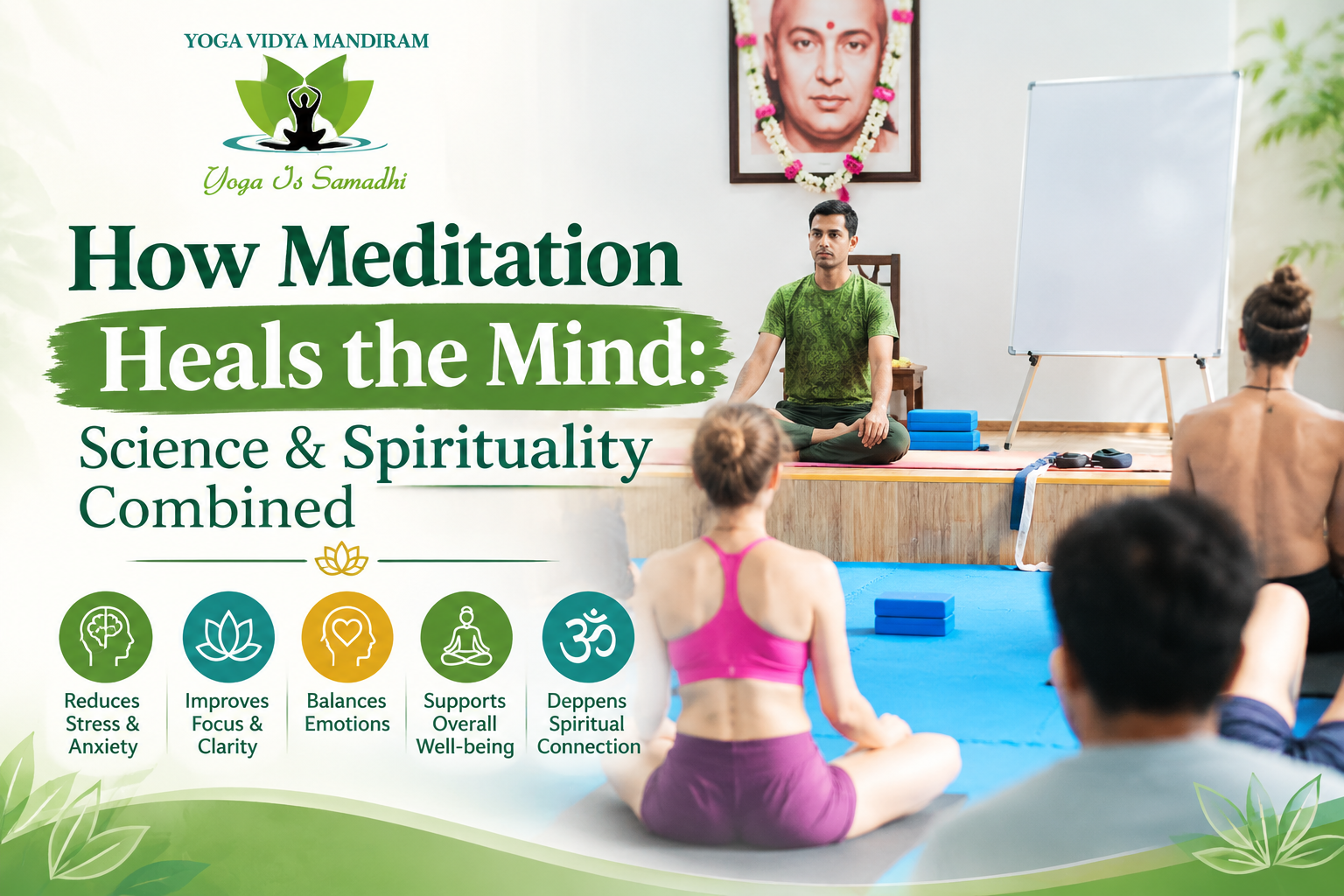
As the world speeds up and stress and distractions are within a heartbeat, meditation, which is a practice as old as time, can serve as a glimmer of hope for the seekers of inner peace. But what if we told you that this ancient practice isn’t only about relaxation, it’s also supported by the latest scientific research? How Meditation Heals the Mind: Science & Spirituality Combined is a talk that will look at the harmonious marriage of time-tested spiritual wisdom and modern neuroscience. Learn how the stillness can positively change your mental health, deepen your emotional wellbeing, and bring you into your own and the world around you. Come and experience this illuminating path and revel in the possibilities that it presents to transform your life and to change the way you think!
Introduction to the concept of meditation and its growing popularity in modern times
Meditation has become a highly effective practice, attracting hearts and minds worldwide. Not only a trend, it is a movement which combines ancient wisdom and modern science. In today’s complex world, people are seeking solace and healing in meditation. Whether it’s in a city or a yoga studio, there are more people finding out how stillness brings immense change.
Meditating in today’s busy, distracted world is like a refuge of peace. It is a practice that can help you clear your mind and alleviate the stress when you need it the most, or simply when you want to understand your own thoughts better. But what exactly happens when we delve into meditation? How does it heal us not just spiritually but our brains as well? Let us accompany you on this journey and discover the wonders of the link between science and spirituality, where meditation is a light of hope for a healthy mind.
Understanding the science behind meditation and its impact on the brain
Meditation is more than just a calming practice; it reshapes the brain itself. Research has shown that regular meditation can lead to structural changes in areas like the prefrontal cortex, responsible for decision-making and emotional regulation.
MRI scans show that meditators have higher density in a specific area of gray matter. This indicates better memory and mental function. The amygdala, which is associated with stress, is less active during meditation. The quieter your amygdala, the less anxious you’ll be.
In addition, mindfulness practices help to encourage neuroplasticity, the brain’s ability to reorganize itself by creating new connections. This versatility enables people to address mental health issues more effectively.
Use these suggestions in meditation practices to increase your resilience to stressors. As practitioners relax their minds with each session, over time they also develop mental strength.
The spiritual aspect of meditation and how it is linked to healing the mind
Meditation is not simply a way to relax; it is an invitation to get closer and closer to oneself. This spiritual aspect may manifest through the practice of inner journeying, uncovering layers of awareness.
People connect with a source of awareness via their breath and their stillness. This state of heightened awareness facilitates clarity: thoughts and feelings are allowed to flow without judgement. When the mind rests, there is a perception that comes forth, a great revelation about the difficulties in our lives.
When we meditate, many people discover a door to compassion and understanding. It helps to foster self and other forgiveness, breaking down obstacles created by past experiences. Healing takes place in this sacred place naturally.
This spiritual journey is not limited to religious beliefs—it is a journey that is available to everyone. It does not require any background or faith to have the power to transform. Through the spiritual practice of meditation, you can start your journey towards achieving your true mental health and tranquility in your daily life.
Benefits of meditation for mental health, including reducing stress and anxiety
Meditation provides a place of peace for the mind, where people can retreat from the hustle and bustle of their lives. It helps to release stress and bring peace.
Studies have revealed that regular meditation practice not only decreases cortisol, the primary stress-inducing hormone, but also reduces it. This adjustment not only reduces anxiety but also contributes to an improved emotional state.
Meditation helps the brain react positively when faced with difficulties by concentrating on breath and presence. Rather than dwelling in worry, practitioners train to “soften” their thoughts and observe them without judgement.
Furthermore, the regular practice of meditation promotes resilience. As mental clarity improves, so does one’s ability to cope with life’s ups and downs.
Such introspection is an asset in today’s rapidly changing world filled with uncertainty. Through meditation, one can learn to seek the stillness and find grace and confidence in their emotions.
Exploring different types of meditation techniques and their effects on the mind
There are a number of different types of meditation, each with a different effect on the mind. One popular technique that works is mindfulness meditation. This is a practice to help tune in on what happens to us when we breathe and to see the thoughts that rise without judgement. It fosters awareness and helps alleviate stress.
Another practice is practicing loving-kindness meditation which builds compassion for oneself and others. Practitioners find that they often get more positive emotions when repeating phrases of good will.
TM is a technique that uses a mantra to calm the mind into deep relaxation. This practice is reported to bring an increase in creativity and concentration.
Guided visualization leads the participant on a mental journey, which is used to provide relaxation or to get to a desired goal through imagery. It’s ideal for those who need motivation or inspiration.
These methods provide unique avenues for clarity of mind and balance of feelings, letting one select from what resonates with them.
Personal experiences and testimonials from individuals who have experienced healing through meditation
Many individuals have discovered transformational healing through meditation. One woman shared her struggle with anxiety for years. After joining a local meditation group, she found solace in the practice. The calmness she cultivated helped her manage panic attacks effectively.
Another personal account comes from a man who dealt with chronic depression. He began attending a meditation yoga teacher training course, where he learned various techniques to center his mind and body. Over time, he noticed significant improvements in his mood and outlook on life.
A college student spoke about how mindfulness practices allowed him to focus better during exams. His racing thoughts slowed down as he integrated short meditative breaks into his study routine.
These stories highlight how diverse experiences can be but share one common theme: meditation has served as a beacon of hope for many seeking mental clarity and emotional balance.
How meditation can be used as a complementary therapy for mental health treatment
Meditation serves as a powerful ally in mental health treatment. It complements traditional therapies by offering additional tools for self-awareness and emotional regulation.
Practicing mindfulness helps individuals observe their thoughts without judgment. This awareness can lead to profound insights into one’s emotional patterns, making it easier to address underlying issues.
Many therapists now incorporate meditation practices into their sessions. Doing so enhances the therapeutic process, allowing clients to experience tranquility during challenging times.
For those dealing with anxiety or depression, meditation provides an immediate sense of calm. Regular practice builds resilience against stressors that may arise in daily life.
Studies suggest that combining meditation with cognitive behavioral therapy (CBT) can enhance outcomes significantly. Patients often report reduced symptoms and greater overall well-being when they embrace both approaches together.
Integrating meditation into treatment plans empowers individuals on their healing journeys, fostering a deeper connection between mind and body while promoting lasting change.
Incorporating mindfulness practices into daily life for long-term benefits
Incorporating mindfulness into daily routines can transform ordinary moments into opportunities for growth. Start small, perhaps with a few minutes of focus on your breath each morning.
During meals, try to savor every bite. Notice the textures and flavors without distractions from screens or conversations. This practice not only enhances enjoyment but also fosters gratitude.
As you walk, pay attention to your surroundings. Feel the ground beneath your feet and notice the rhythm of your body in motion. This simple act can ground you in the present moment.
Even mundane tasks like washing dishes or commuting offer chances to practice mindfulness. Shift your awareness back to sensations—the warmth of water or the sound of traffic—creating a sense of peace amid busyness.
Consistency is key; find what resonates with you and integrate it gradually for lasting change in mindset and well-being.
Must Visit: Best 200 Hour Yoga Teacher Training in Rishikesh
Conclusion: The powerful combination of science and spirituality in healing the mind through meditation
The journey of understanding how meditation can heal the mind reveals an intricate tapestry woven from both scientific inquiry and spiritual tradition. This powerful practice transcends mere relaxation; it creates a profound shift in our mental landscape.
By engaging with meditation, individuals tap into a wealth of benefits that extend far beyond stress relief or anxiety reduction. The neurological changes that occur during meditation enhance cognitive function and emotional regulation, showcasing its transformative power through evidence-based research.
Simultaneously, the spiritual aspect offers depth to this practice, connecting us to something greater than ourselves. It invites introspection and fosters compassion—a vital ingredient for healing not just individually but collectively as well.
Personal experiences further illustrate this phenomenon. Many find solace in their daily practices, sharing stories of newfound clarity and peace after integrating mindfulness into their lives. These testimonials serve as reminders that each individual’s path is unique yet resonates universally within the human experience.
As we explore different techniques—from mindfulness-based approaches to guided meditations—it’s clear there’s no one-size-fits-all solution; rather, there’s a rich array of options suited for various needs and lifestyles.
Moreover, embracing meditation as complementary therapy alongside conventional mental health treatments opens doors for holistic wellness strategies that empower individuals on their healing journeys.
Incorporating these practices into everyday life nurtures resilience over time while dispelling myths surrounding meditation’s accessibility or complexity. It’s about creating space in our busy schedules for moments of stillness—an opportunity many overlook amid life’s demands.
The synthesis of science and spirituality through meditation serves as an invitation: to engage more deeply with ourselves and others while fostering a culture where mental well-being thrives naturally. As more people recognize its potential, the world may become less fragmented—allowing hearts and minds to unite in pursuit of collective healing.
Leave a Reply