In this case, where stress pervades all and our lungs are the most affected by pollution, it has never been more important than to find methods of improving our breathing. Switch to Pranayama, the old yogic method, and not just breathing exercises. This is not just a revitalizing method that makes your body more vibrant, but also helps your lungs to expand, which enhances the state of being. Think about using the strength of your breath to build the resilience to tiredness and enhance your energy! Within this blog post, we will discuss the benefits of Pranayama in your everyday life and how this practice will improve your mood and health and be able to breathe easier and live your life to the fullest. You are about to enter the world of mindful breathing- your lungs (and soul will not regret it)
Introduction to Pranayama
Something we gamble away is breathing, which is the key to our liveliness and well-being. The next practice is the ancient yogic practice known as Enter Pranayama which is not just about controlling the breath. The technique is a strong one that improves lung health but it also improves the level of energy and makes you feel rather alive and more connected with your body. The breath can be used as an instrument of renewal and clarity, just imagine using the breath as a weapon, interesting, right? As we get into the ways in which Pranayama will change your body and your mind, be ready to find a practice that will perhaps even give a new life to your day to day existence!
The Connection Between Pranayama and Lung Health
Pranayama is one of the foundations of yoga that has a crucial influence in improving the health of lungs. This prehistoric method uses breathing exercises which aid in building breathing muscles.
You are expanding your lungs when you do pranayama. Slow breathing and controlled breathing stimulate the maximum growth of your lungs. This procedure enhances exchange of oxygen and effective carbon dioxide elimination.
In addition, pranayama makes one less stressed. The patterns of breathing caused by stress are shallow and thus affect the lungs adversely as time goes by. With the addition of pranayama to your practice, you will cultivate a feeling of being relaxed as well as improve the overall breathing efficacy.
Frequent exercise is also a good way of ensuring circulation in the body. Improved blood circulation guarantees the access of oxygen to important organs, which also promotes the health and well-being of the lung.
Benefits of Pranayama for Energy Levels
Pranayama is not just a breathing technique but also an effective method of increasing the energy level. Practitioners can also improve oxygen circulation in the body by controlling the breath.
This enhanced mental clarity and concentration. With clear mind, you are automatically more vigorized and prepared to accomplish day-to-day activities.
Also, pranayama is effective in the decrease of stress. When tension is reduced the fatigue also reduces. When one is in a calmer mood, he can have the sustained energy instead of ups and downs.
Nervous system balance can also be achieved by indulging in normal practice. The balance will translate to more stable levels of energy throughout the day- no longer will there be the need to depend on caffeine or sugar.
Both kinds of pranayama have special advantages that suit various needs of energy. It could be breathing exercises or breathing exercises; any way you choose to put it, there is something that can appeal to anyone who wants to feel alive.
Types of Pranayama Techniques
Pranayama has a variety of different techniques and methods, each of them has its own advantages and methods. Ujjayi breathing has become one of the popular ones. This method runs on the principle of breathing deeply through the nose with narrowing the throat a notch down which produces a form of swearing. Ujjayi will help to improve concentration and relax the mind.
The other method is Nadi Shodhana or alternate nostril breathing. It harmonizes the energies of the body switching the breaths in different nostrils. This is a relaxing activity which helps people to be clear-minded.
Kapalabhati, known as skull shining breath, is more focused on quick breathing and then passive breathing. It is an awakening, and cleans the dust out of your breath.
Finally, Bhramari is producing a humming sound during breathing out, this calms the anxieties and improves concentration. Both these ways offer different avenues to enhance the functioning of the lungs and increase energy levels in everyday life.
Visit: 200 Hour Yoga Teacher Training in Rishikesh
Step-by-Step Guide to Practicing Pranayama
Begin by getting yourself a quiet place where you will not be distracted. You can sit in a cross-legged sitting or sit on a chair with your feet on the ground.
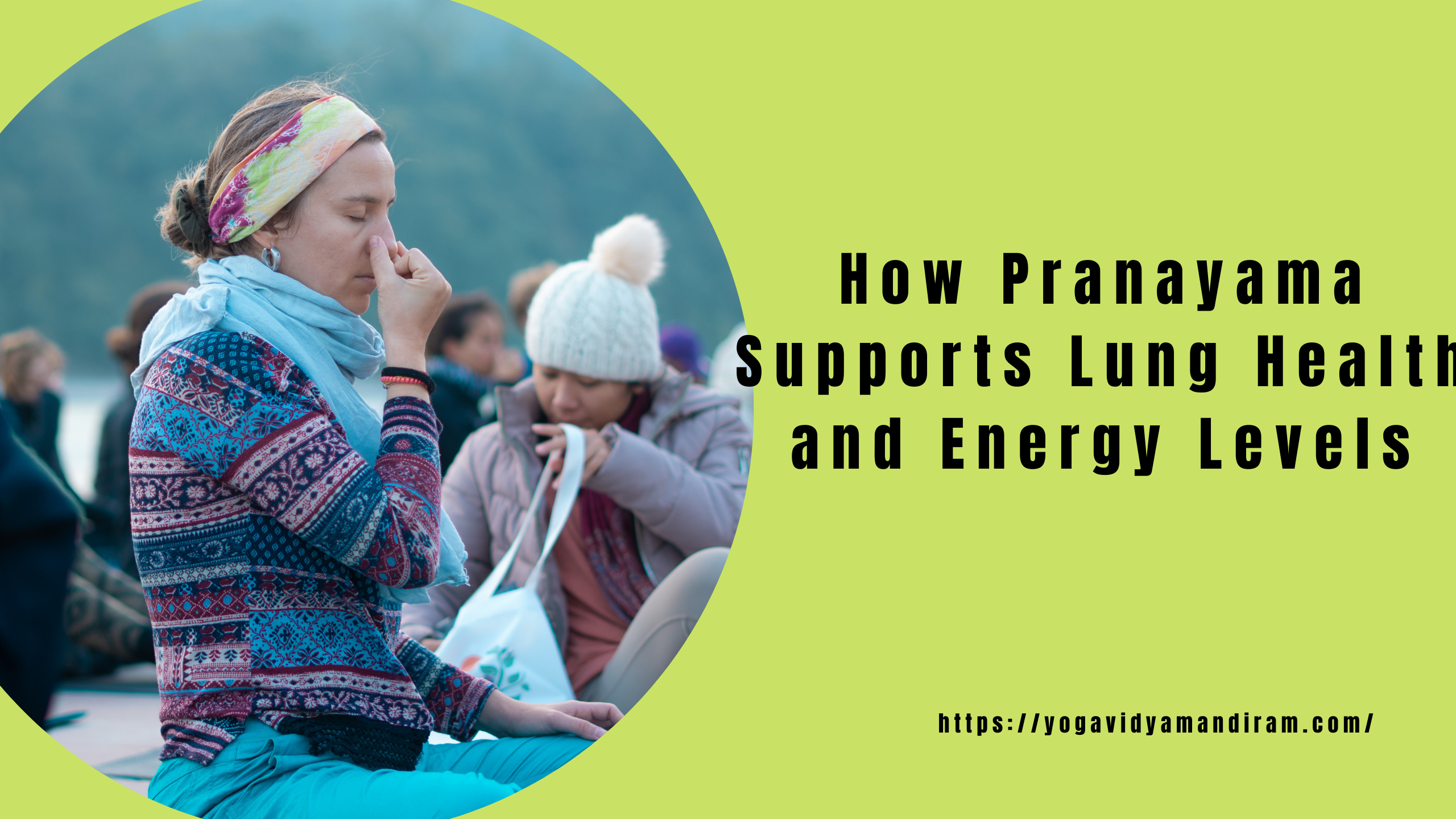
Then close the eyes with your fingers and breathe in a few times with your nose, and you will be able to feel yourself rising and falling. This assists in putting oneself in focus.
Start with Nadi Shodhana, also known as alternate nostril breathing. Close the right nostril with right thumb. Breath in four times through the left nostril, and then close the nostril with the ring-finger.
Release the thumb of the right nostril and inhale slowly (to count six times). Do the same a few more times, (but with smooth inhalations and exhalations).
Then there is Kapalabhati or skull shining breath. Inhale deeply using both nostrils and then blow out strong using nose with contracting of abdominal muscles. Permit passive inhalation between every inspiratory expulsion.
End with five minutes of mindful breathing; just notice every breath and do not attempt to change.
How to Incorporate Pranayama into Your Daily Routine
Pranayama should be an inseparable part of your everyday life, and it should not be complex. Begin by setting aside a certain time in a day either morning or evening. Consistency is key.
You also need to find a good place where you can sit without distraction. This may be in a warm space in your house or even in the open air provided there is favourable weather.
Start with only five minutes a day. Progressively go up as you get used to the practice. It is possible to begin your session with simple methods such as diaphragmatic breathing and then proceed to the more complicated methods.
It is also a good idea to add pranayama to other wellness activities like yoga or meditation. Even brief moments during work break can refresh you and make you more focused.
Finally, you should also listen to your body; this type of practice is necessary and should be handled with care and adjusted as soon as possible in order to achieve the most.
Other Ways to Support Lung Health and Energy Levels
In addition to practicing Pranayama, there are various lifestyle choices that can significantly enhance lung health and boost energy levels. A balanced diet rich in antioxidants helps combat oxidative stress. Incorporating fruits and vegetables like berries, spinach, and citrus can support respiratory function.
Regular physical activity is essential as well. Whether it’s brisk walking or yoga, movement strengthens the lungs and improves circulation. Even simple stretching exercises promote better oxygen flow.
Staying hydrated plays a crucial role too. Water keeps mucus thin, making it easier for the body to expel toxins from the lungs.
Consider environmental factors as well; reducing exposure to pollutants by using air purifiers indoors can create a healthier space for your lungs.
Mindfulness practices such as meditation further complement lung health by reducing stress levels, allowing for deeper breathing patterns that naturally energize the body.
Tips for Beginners and Precautions to Take
It is not only exciting but also challenging to begin your Pranayama journey. These are a few tips that you can use in the process.
Start in a very comfortable quiet environment with as few distractions as possible. This will increase your concentration and relaxation in your practice.
Begin with easy ones, such as diaphragmatic breathing or Nadi Shodhana (alternate nostril breathing). These are easy and can be handled by amateurs.
Listen to your body. In case you feel dizzy or uncomfortable at any stage, then stop. You need to come up with a rhythm that works to you.
Exercise on a regular basis but not too hard. Shortening the practices to 5-10 minutes a day can be more effective than long and periodic practices.
Remember to drink plenty of water before and after Pranayama to make sure that your lungs are operating at their best.
Before beginning these exercises, consult a medical expert in case of breathing problems or any other medical-related concern. Your health is to be put first.
Also Read: Breathing Your Way to Better Health: The Incredible Benefits of Pranayama
Conclusion: The Power of Pranayama for Overall Well-being
Pranayama is an effective practice which goes beyond breathing exercises. It creates a closer relationship between the mind and the body, improving the health of the lungs and increasing energy levels in incredible ways. Through resilience training, which involves different practices in everyday life, you can develop resilience and dynamism.
As you practice pranayama, you will have found that it has the ability to change not only your physical wellness but also your mental sharpness and emotional state. He or she is a journey of pranayama; every breath creates new dimensions of mind and health.
By adopting such a time-honored practice, one can get a chance to enrich every sphere of life. Pranayama is a helpful practice whether you need to have better lung performance or just feel less exhausted during the day. After practicing consistently, the benefits are clear-cut hence resulting in a livelier life with a sense of purpose and tranquility.
Leave a Reply