
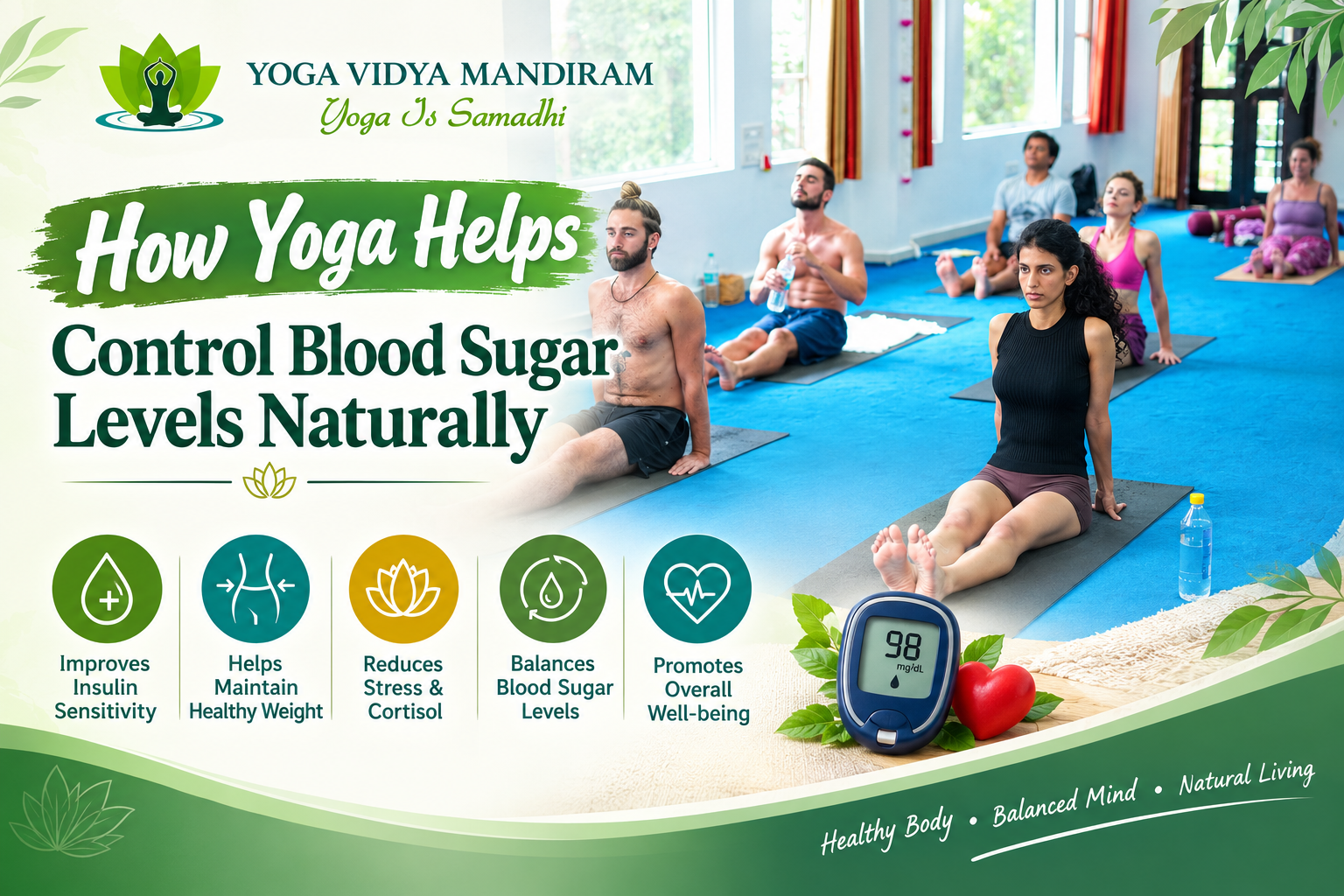
In a world where health trends come and go, one timeless practice continues to stand out for its holistic benefits: yoga. Beyond the serene poses and deep breathing lies a powerful ally in managing blood sugar levels naturally. Whether you’re looking to enhance your well-being or seeking alternatives in diabetes care, this ancient art offers more than just physical flexibility; it provides a pathway to harmony within your body. Join us as we explore how yoga can be a game-changer for controlling blood sugar levels, empowering you to take charge of your health while nurturing both mind and spirit. Get ready to roll out your mat and discover the sweet synergy between movement, mindfulness, and metabolic balance!
Introduction to Yoga and its Benefits
Yoga has long been celebrated for its ability to enhance physical flexibility and mental well-being. But did you know that it can also play a vital role in managing blood sugar levels? In today’s fast-paced world, where stress and unhealthy habits are rampant, finding natural ways to support our health is more important than ever. Yoga offers a holistic approach that not only calms the mind but also aids in regulating metabolic functions.
With its emphasis on breath control, mindfulness, and movement, yoga serves as an effective tool for those looking to maintain balanced blood sugar levels naturally. Whether you’re new to yoga or have been practicing for years, understanding how these ancient techniques can support your body’s needs is crucial. Let’s delve into this fascinating relationship between yoga and blood sugar management—discovering practices that could help you lead a healthier life while promoting overall wellness.
Understanding Blood Sugar Levels and their Importance
Blood sugar levels indicate the amount of glucose in your bloodstream. They play a vital role in how your body functions daily. Maintaining balanced blood sugar is essential for energy, mood regulation, and overall health.
When blood sugar levels are too high or too low, it can lead to serious health issues. Chronic high levels may contribute to diabetes complications, while excessively low levels can cause symptoms like fatigue and confusion.
Understanding the importance of stable blood sugar helps you make informed lifestyle choices. It’s not just about avoiding sweets; it involves a holistic approach that includes diet, exercise, and stress management.
Monitoring these levels provides clarity on how different foods and activities affect your well-being. This awareness empowers you to take control of your health journey effectively.
Must Visit: Best 200 Hour Yoga Teacher Training in Rishikesh
Relation between Yoga and Blood Sugar Control
Yoga creates a harmonious connection between mind and body, which can be vital for maintaining stable blood sugar levels. Stress often leads to spikes in glucose, but the meditative aspect of yoga encourages relaxation. This calm state helps reduce cortisol, a hormone that can elevate blood sugar.
The practice also enhances insulin sensitivity. As individuals engage in various asanas, their muscles become more efficient at utilizing glucose for energy. This means less sugar circulates in the bloodstream.
Additionally, regular yoga sessions may improve overall metabolic function. By balancing physical activity with breath control, practitioners promote better digestion and nutrient absorption—key factors influencing blood sugar stability.
Engaging in mindful movement fosters awareness of one’s body and its responses to food intake. This heightened self-regulation allows for healthier choices that contribute to balanced glucose levels over time.
Specific Poses and Breathing Techniques for Blood Sugar Control
Certain yoga poses can significantly impact blood sugar levels. One powerful pose is the Downward Dog. This inversion helps improve circulation and stimulate the pancreas, promoting better insulin function.
Another beneficial pose is the Warrior II. It engages large muscle groups and encourages stability while enhancing overall strength and endurance. This can lead to improved glucose metabolism over time.
Incorporating breathing techniques like pranayama further aids in managing stress, which often affects blood sugar levels. The practice of deep belly breathing calms the nervous system, reducing cortisol production.
The alternate nostril breathing technique balances energy within your body and promotes relaxation, creating an environment conducive to stable blood sugar levels throughout the day.
Integrating these specific poses and techniques into your routine may yield positive outcomes for those seeking natural ways to manage their blood sugar effectively.
Research Studies on the Effectiveness of Yoga for Blood Sugar Management
Several research studies have explored the impact of yoga on blood sugar management. One notable study published in the Journal of Diabetes Research revealed that regular yoga practice significantly reduced fasting blood glucose levels among participants with type 2 diabetes.
Another investigation highlighted improvements in insulin sensitivity after a consistent yoga regimen. Participants experienced better glycemic control, showcasing how mindful movement can influence metabolic health.
Moreover, a meta-analysis indicated that individuals practicing yoga had lower HbA1c levels compared to those who did not engage in this mind-body exercise. This suggests long-term benefits for overall blood sugar regulation.
Additionally, many researchers emphasize the role of stress reduction through yoga. Lowering stress hormones like cortisol may help improve insulin response and promote healthier blood sugar levels.
These findings suggest that integrating yoga into daily routines could be an effective strategy for managing diabetes naturally and holistically.
Additional Lifestyle Changes to Support Blood Sugar Control with Yoga
Incorporating yoga into your routine can be incredibly beneficial, but combining it with other lifestyle changes amplifies the effects on blood sugar control.
Start by focusing on a balanced diet rich in whole foods. Fresh fruits, vegetables, lean proteins, and healthy fats provide essential nutrients that stabilize energy levels.
Hydration is equally important. Drinking plenty of water helps maintain proper bodily functions and assists in managing hunger pangs.
Regular physical activity beyond yoga also supports blood sugar management. Aim for activities like walking or cycling to enhance cardiovascular health.
Mindfulness practices such as meditation can reduce stress levels. Stress hormones can spike blood sugar, so finding time to unwind is crucial.
Lastly, prioritize adequate sleep each night. Poor sleep patterns can lead to insulin resistance over time, making it harder to regulate glucose levels effectively.
Tips for Starting a Yoga Practice for Blood Sugar Management
Starting a yoga practice to manage blood sugar levels can be both exciting and transformative. Begin by setting realistic goals. Even a few minutes daily can make a difference.
Choose classes that focus on gentle movements and mindfulness. Look for styles like Hatha or Yin, which promote relaxation and balance.
Create a dedicated space at home for your practice. This doesn’t need to be elaborate; just a quiet corner with enough room to stretch will do.
Incorporate breathing techniques into your routine. Deep, mindful breaths help reduce stress, which is crucial for maintaining stable blood sugar levels.
Finally, listen to your body. Every individual’s needs are different, so modify poses as necessary to ensure comfort and safety during your sessions.
Conclusion: Embracing Yoga as a Natural Way to Manage Blood Sugar Levels.
Yoga offers a holistic approach to health, particularly when it comes to managing blood sugar levels. By incorporating physical postures, breathing techniques, and mindfulness into your routine, you can create a powerful tool for regulating glucose and promoting overall well-being.
The synergy between body and mind that yoga fosters is invaluable. It encourages relaxation while promoting physical activity—both vital for maintaining balanced blood sugar levels. This ancient practice not only strengthens the body but also helps in reducing stress hormones like cortisol that can negatively impact glucose control.
As you embark on this journey with yoga, remember that consistency is key. Embrace each pose as an opportunity to connect with yourself deeply and cultivate awareness around your body’s needs. Combine these practices with other healthy lifestyle changes such as proper nutrition and regular exercise for even better results.
Embracing yoga as a natural way to manage blood sugar levels can help improve overall health, reduce stress, and create balance in both body and mind. Join the best yoga school in Rishikesh for Yoga Teacher Training in Rishikesh and begin your journey toward holistic wellness and transformation.
Leave a Reply