
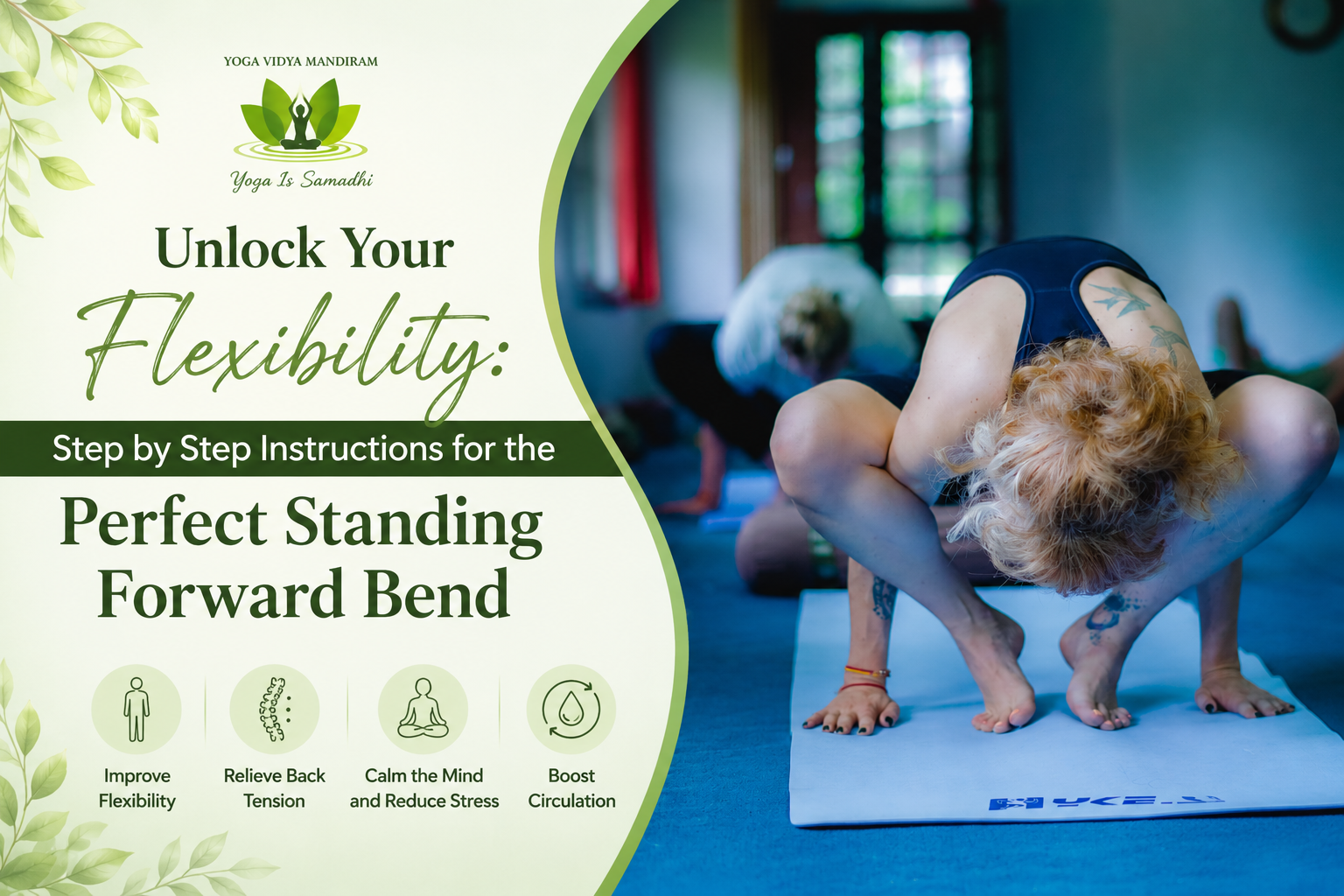
Are you ready to stretch your limits—literally? The Standing Forward Bend, or Uttanasana, is more than just a yoga pose; it’s a gateway to greater flexibility and overall well-being. Whether you’re an experienced yogi looking to refine your technique or a beginner eager to enhance your practice, this transformative posture offers something for everyone. Imagine feeling the gentle release of tension in your back, hamstrings, and mind as you fold forward with grace and ease. In this blog post, we’ll guide you through each step, helping you unlock not just the physical benefits but also a deeper connection with yourself. So grab your mat and let’s dive in! Your journey towards increased flexibility starts here!
Introduction to the benefits of flexibility and why it’s important
Flexibility is more than just a physical attribute; it’s a gateway to improved posture, reduced stress, and enhanced overall well-being. In our fast-paced lives, finding moments to stretch and unwind can feel like a luxury. However, dedicating time to work on your flexibility pays dividends in both body and mind. One of the most accessible poses that can help you unlock your flexibility is the Standing Forward Bend.
This pose not only helps lengthen your hamstrings and spine but also invites you into a space of calmness amidst daily chaos. Whether you’re an experienced yogi or just starting out on your fitness journey, mastering the Standing Forward Bend will enrich your routine while nurturing both strength and serenity. Let’s dive deeper into this transformative pose!
Understanding the Standing Forward Bend pose
The Standing Forward Bend, or Uttanasana in yoga terms, is a transformative pose that invites both physical and mental relaxation. This stretch targets the entire back of your body while promoting a sense of calm.
As you fold forward from a standing position, gravity helps deepen the stretch. It encourages flexibility in the hamstrings, calves, and spine.
This pose also stimulates digestion and improves circulation. With each breath, you can feel tension melting away.
Whether you’re an advanced yogi or just starting out, this pose is accessible to all levels. The key lies in how you approach it—mindfully engaging with your body’s limits makes all the difference.
Incorporating this asana into your practice can lead to greater body awareness and improved posture over time. It’s not just about bending forward; it’s about connecting with yourself on multiple levels.
Step by step instructions on how to perform the pose correctly
Begin by standing tall with your feet hip-width apart. Distribute your weight evenly, grounding down through all four corners of your feet.
Inhale deeply, raising your arms overhead. Lengthen your spine as you do so, drawing energy upward.
As you exhale, hinge at the hips and begin to fold forward. Keep a slight bend in the knees if needed; this helps protect your lower back.
Allow your torso to hang heavy between your legs. Let gravity assist in deepening the stretch without forcing it.
Bring both hands toward the floor or grab onto opposite elbows for added support. Relax into the pose and breathe deeply for several cycles.
Focus on maintaining a long neck and relaxed shoulders throughout. This alignment will help enhance flexibility over time while keeping you safe from injury.
– Proper alignment and modifications for beginners
Proper alignment is essential for experiencing the full benefits of the Standing Forward Bend. Start by standing tall with your feet hip-width apart. Ground down through your heels and spread your toes wide.
As you hinge at your hips, keep a slight bend in your knees to protect your lower back. Let gravity do its work as you fold forward, aiming to bring your chest towards your thighs.
For beginners who struggle to reach the floor, consider using yoga blocks under each hand. This modification allows you to maintain length in the spine while still getting a deep stretch.
If you find it hard on tight hamstrings, don’t hesitate to bend those knees more deeply. The goal is not perfection but feeling comfortable and open in this pose as you gradually deepen into it over time.
How to deepen your stretch and improve over time
To deepen your stretch in the Standing Forward Bend, start by focusing on your breath. Inhale deeply to lengthen your spine and exhale as you fold deeper into the pose. This mindful breathing helps release tension and allows for a greater range of motion.
Engage your core muscles gently while maintaining a relaxed upper body. This support can help you move further into the bend without straining.
Consider using props like blocks or straps. They provide extra support and allow you to reach new levels safely.
As flexibility improves, gradually increase the duration of each hold. Aim for several breaths at first, then extend this time as comfort increases.
Listen to your body throughout this journey. Every small progress matters, so celebrate each step toward improved flexibility with patience and persistence!
More Details: Best 200 Hour Yoga Teacher Training in Rishikesh
Common mistakes and how to avoid them
Many beginners struggle with the Standing Forward Bend due to improper form. One common mistake is rounding the back excessively. Instead, focus on a long spine while bending forward.
Another frequent issue is not engaging the legs enough. To maintain stability and support, press firmly into your feet and activate your leg muscles.
Some practitioners also try to force their head towards their knees. This can lead to strain in the lower back. Aim for a gentle fold from your hips rather than pushing too hard.
Lastly, forgetting about breath control can hinder your practice. Ensure you breathe deeply throughout the pose, allowing each exhale to deepen your stretch naturally without forcing it.
Awareness of these common pitfalls will enhance both safety and effectiveness in achieving this beneficial pose.
Tips for incorporating this pose into your daily routine
To seamlessly add the Standing Forward Bend into your daily routine, consider setting aside a few minutes each morning. This helps wake up your body and mind.
You can also use it as a break during work hours. Step away from your desk, take a deep breath, and bend forward to release tension in your back and neck.
Pair this pose with other stretches for a more comprehensive flexibility routine. It complements hip openers or gentle twists beautifully.
If you practice yoga regularly, include the Standing Forward Bend in every session. Consistency fosters improvement over time.
Listening to your body is key. If you’re feeling stressed or fatigued, even a quick version of the pose can rejuvenate you throughout the day.
Creating reminders on sticky notes around your space can motivate you to pause and stretch whenever needed.
Other poses that can help improve flexibility
To enhance your flexibility, consider incorporating a few additional yoga poses into your routine. The Downward Facing Dog is a fantastic choice. It stretches the hamstrings, calves, and spine while also strengthening the arms and shoulders.
Another beneficial pose is the Butterfly Stretch. This seated position opens up the hips and groin area. Simply sit with your feet together and gently press down on your knees for a deeper stretch.
The Pigeon Pose offers an intense hip opener that targets tightness in both the hips and glutes. It’s perfect for releasing tension from long periods of sitting.
Lastly, don’t overlook Cat-Cow Pose. This gentle flow between two positions warms up the spine while increasing blood circulation throughout the body, making it easier to achieve greater flexibility over time. Incorporating these poses can create a well-rounded approach to improving overall flexibility.
Conclusion and final thoughts on the importance of regular practice
Regular practice of the Standing Forward Bend can significantly enhance your flexibility and overall well-being. This pose not only stretches your hamstrings, calves, and back but also calms the mind and alleviates stress. By incorporating this essential asana into your daily routine, you’re investing in both physical health and mental clarity.
As you progress with this pose, remember that patience is key. Flexibility takes time to develop. Celebrate small victories along the way—each bit of improvement matters. Also, listening to your body is crucial; avoid pushing yourself too hard to prevent injury.
Consider complementing your forward bend practice with other poses that promote flexibility such as Downward Facing Dog or Triangle Pose. These variations will provide a more rounded approach to improving not just flexibility but strength as well.
Ultimately, making time for regular yoga practice fosters a deeper connection between mind and body while enhancing physical capabilities over time. Embrace the journey toward greater flexibility—it’s one step at a time!
Leave a Reply