As you embark on your journey through yoga teacher training, prepare to dive deeper than just asanas and alignment. Enter the world of Pranayama—the art of breath control that forms an integral part of yogic philosophy. Imagine stepping into a serene space filled with tranquility where each inhale is an invitation to clarity and every exhale releases tension. In this blog post, we’ll explore what you can expect from Pranayama sessions during your training—transformative experiences that not only enhance your practice but also empower you to guide others on their path toward mindfulness and inner peace. Whether you’re a novice or seasoned practitioner, get ready to unlock the profound benefits of conscious breathing and elevate your teaching toolkit!
Introduction: Explanation of Pranayama and its significance in yoga teacher training
Embarking on a yoga teacher training journey opens the door to profound experiences, and one of the most transformative aspects is Pranayama. This ancient practice of breath control goes beyond mere technique; it connects you deeply with your mind, body, and spirit. As you delve into Pranayama sessions, you’ll discover not only its significance in enhancing your yoga practice but also how it serves as a powerful tool for self-discovery.
Imagine harnessing the power of your breath to calm anxiety, boost energy levels, and deepen your meditation experience. Whether you’re a seasoned yogi or just starting out, understanding Pranayama’s role in yoga teacher training can elevate your skills and enrich your teaching career. Let’s take a closer look at what awaits you in these enlightening sessions!
The Basics of Pranayama: Brief overview of the breathing techniques and their effects on the body and mind
Pranayama forms the cornerstone of breath control in yoga. It encompasses various techniques designed to enhance the flow of prana, or vital energy, throughout the body.
One fundamental technique is Ujjayi breathing, often called “ocean breath.” This method involves slightly constricting the throat while inhaling and exhaling through the nose, producing a soothing sound that promotes focus and calmness.
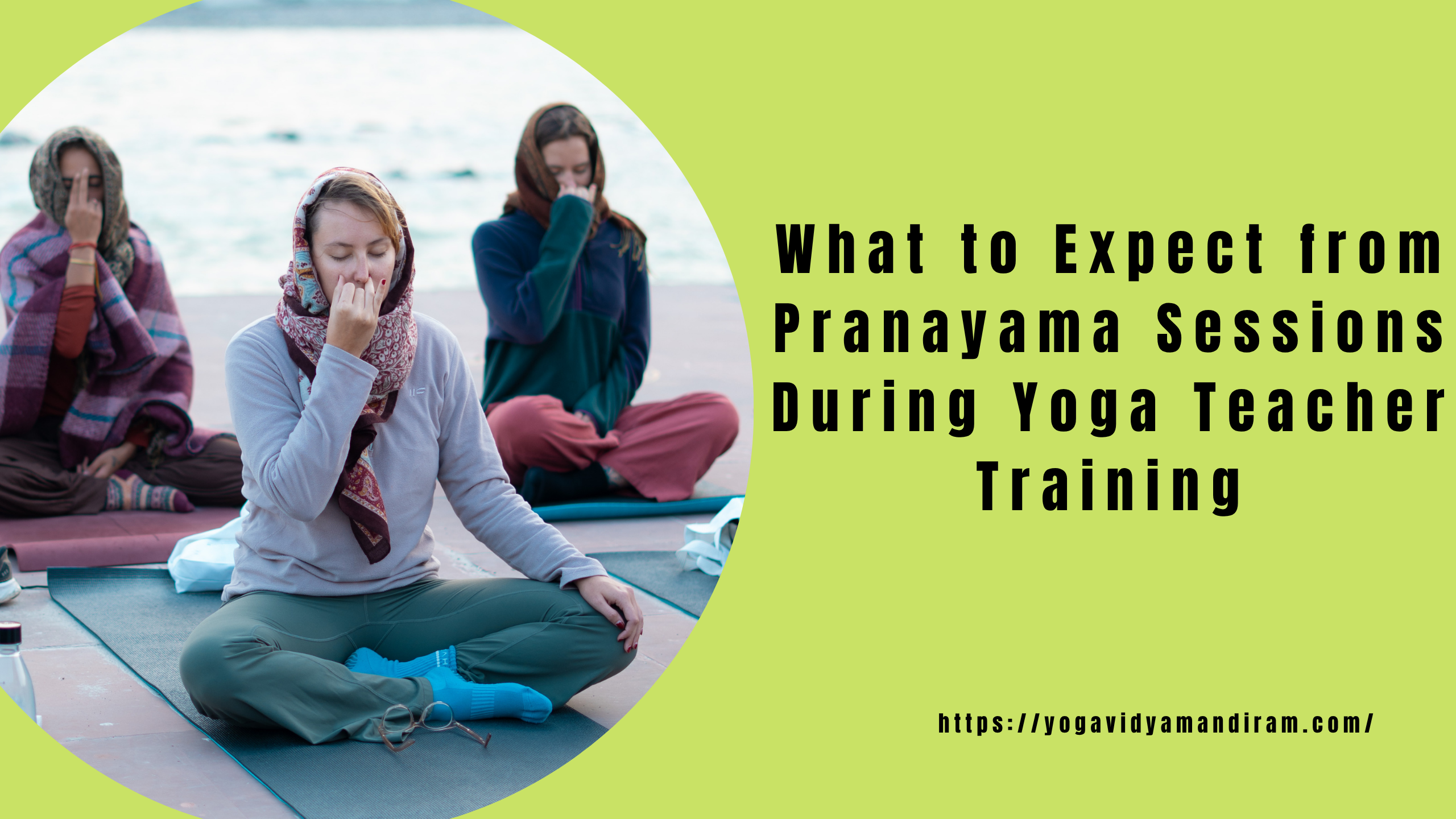
Nadi Shodhana, or alternate nostril breathing, balances both hemispheres of the brain. By regulating airflow between nostrils, it helps reduce anxiety and enhances mental clarity.
Kapalabhati stands out as a dynamic practice involving rapid exhales followed by passive inhales. This energizing technique stimulates digestion and purifies the respiratory system.
Each approach not only influences physical health but also cultivates emotional resilience and mental stability. These practices create an opportunity for deeper self-awareness on your yoga journey.
Benefits of Practicing Pranayama: Physical, mental, and emotional benefits of incorporating Pranayama into your yoga practice
Practicing Pranayama offers a treasure trove of benefits. Physically, it enhances lung capacity and improves overall respiratory function. With each controlled breath, you strengthen your diaphragm and increase oxygen flow throughout the body.
Mentally, Pranayama serves as a powerful tool for focus. It calms racing thoughts and cultivates clarity, making meditation more accessible. This heightened mental state can lead to improved concentration in daily life.
Emotionally, regular practice fosters resilience against stress. By regulating the breath, you activate the parasympathetic nervous system, promoting relaxation and emotional balance. Feelings of anxiety may diminish as you deepen your connection with your inner self.
As you incorporate Pranayama into your routine, you’ll likely notice enhanced energy levels too. This invigorating practice not only rejuvenates but also aligns mind and spirit—creating harmony within yourself that extends beyond the mat.
How Pranayama is Taught in Yoga Teacher Training
Pranayama is often introduced through a blend of theory and hands-on practice. In yoga teacher training in Rishikesh, instructors typically start with an overview of the historical and philosophical roots of breathing techniques. Understanding the ‘why’ behind Pranayama adds depth to the learning experience.
Practitioners are guided through various breathing exercises like Ujjayi or Nadi Shodhana. This practical approach allows students to feel each technique’s effects firsthand.
Pairing breathwork with posture also plays a key role in these sessions. Students learn how different asanas enhance their pranayamic practices.
Group settings foster community support, encouraging participants to share experiences and insights about their journeys with breathwork. Feedback from peers and trainers helps refine individual practices too.
Mindfulness and meditation may be integrated alongside Pranayama lessons, deepening awareness of breath’s significance in overall well-being while cultivating focus for future teaching endeavors.
What to Expect from Pranayama Sessions: Detailed breakdown of what a typical Pranayama session during yoga teacher training
Pranayama sessions during yoga teacher training are immersive and enlightening experiences. Typically, these sessions last between 30 to 60 minutes, allowing ample time for practice and exploration.
You will start with foundational techniques such as Dirgha (Three-Part Breath) or Ujjayi (Victorious Breath). These methods help you connect breath with movement, enhancing your overall yoga experience.
As the training progresses, more advanced practices may be introduced. Techniques like Kapalabhati (Skull Shining Breath) or Nadi Shodhana (Alternate Nostril Breathing) come into play, each offering unique benefits that deepen your understanding of breath control.
Challenges often arise when learning Pranayama. Some practitioners struggle with maintaining focus or finding comfort in specific positions during breathing exercises. However, overcoming these hurdles is part of the growth journey in mastering this essential aspect of yoga practice.
Tips for Making the Most out of Your Training
To fully embrace the benefits of Pranayama sessions during your yoga teacher training, consider these practical tips. First, approach each session with an open mind. Every breath is a new opportunity to learn and grow.
Practice consistently outside of class. Daily breathing exercises can deepen your understanding and enhance your skills. Even just five minutes a day can yield significant improvements.
Stay present during each session. Focus on your breath and the sensations in your body. This mindfulness practice will help you connect more deeply with yourself and others in the room.
Don’t hesitate to ask questions or seek clarification from instructors when needed. Engaging actively in discussions about techniques will solidify your knowledge base.
Lastly, keep a journal to document your experiences, thoughts, and feelings after each session. Reflecting on this journey not only assists with retention but also allows for personal growth over time.
By incorporating these strategies into your routine, you’ll maximize the transformative power of Pranayama sessions throughout your training experience.
Conclusion
Pranayama sessions during Yoga Teacher Training offer far more than just breathing techniques—they provide a powerful pathway to inner balance, mental clarity, and heightened awareness. Through consistent practice, students learn to regulate their breath, calm the nervous system, and deepen the connection between body and mind.
As part of a 200 Hour Yoga Teacher Training in Rishikesh, pranayama becomes an essential practice that supports both personal transformation and professional growth. These sessions help improve focus, reduce stress, and build the confidence needed to guide others effectively.
Whether you are a beginner or an experienced practitioner, the discipline and awareness developed through pranayama will stay with you long after the course, becoming a lifelong tool for health, balance, and inner peace.
Leave a Reply